Beginner’s Guide to Guitar Chords (With Easy Charts)
If you’re just starting your guitar journey, learning these basic open chords is essential.
Once you master them, you’ll be able to play hundreds of popular songs easily!
Below is a simple explanation of each chord — including finger placement, how to strum, and the sound character.
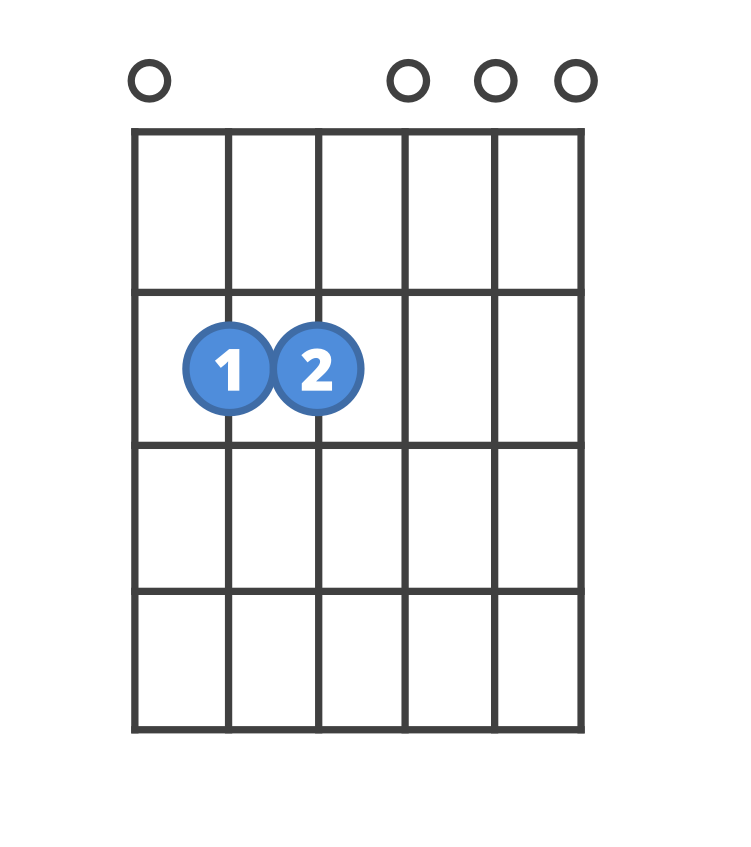
E Minor (Em)
- Finger placement:
Middle finger (2) → 5th string, 2nd fret
Ring finger (3) → 4th string, 2nd fret
- Strum all 6 strings
- Sound: Sad and emotional tone — great for soft, mellow songs.
E Major (E)
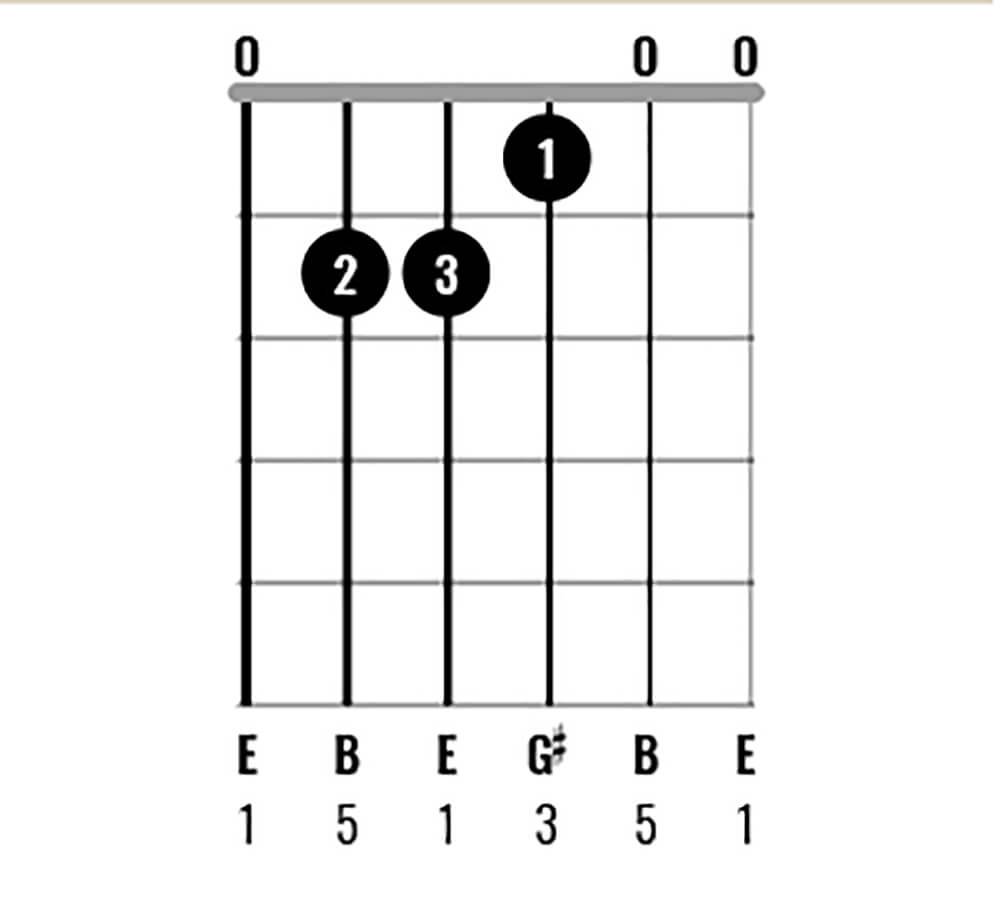
- Index (1) → 3rd string, 1st fret
- Middle (2) → 5th string, 2nd fret
- Ring (3) → 4thstring, 2nd fret
- Strum all 6 strings
- Sound: Bright,strong, and uplifting.
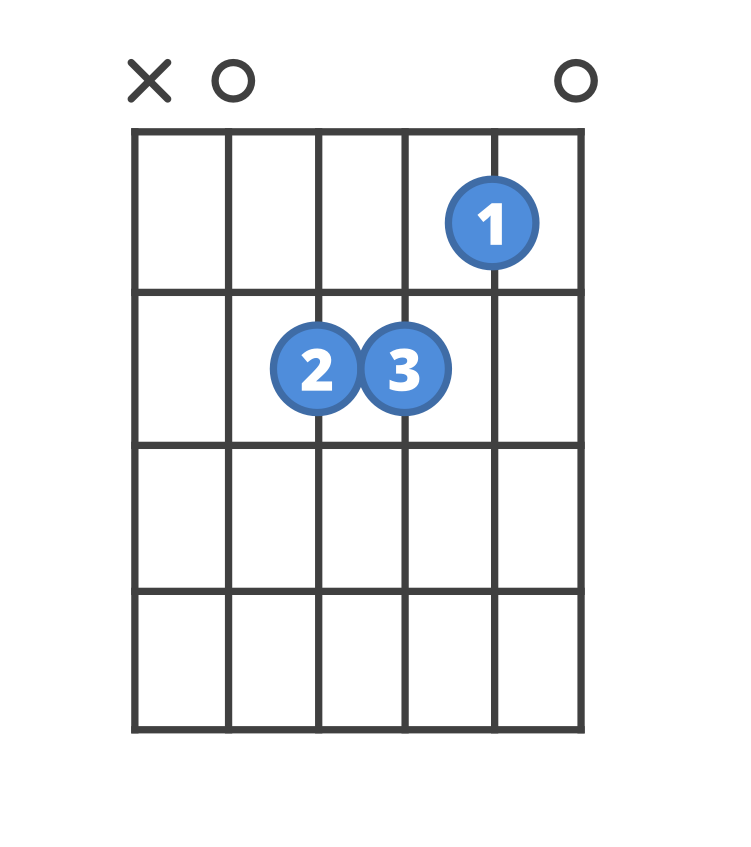
A Minor (Am)
- Index (1) → 2nd string, 1st fret
- Middle (2) → 4th string, 2nd fret
- Ring (3) → 3rd string, 2nd fret
- Strum 5 strings only, mute the 6th string
- Sound: Soft, emotional, and smooth.
C Major (C)
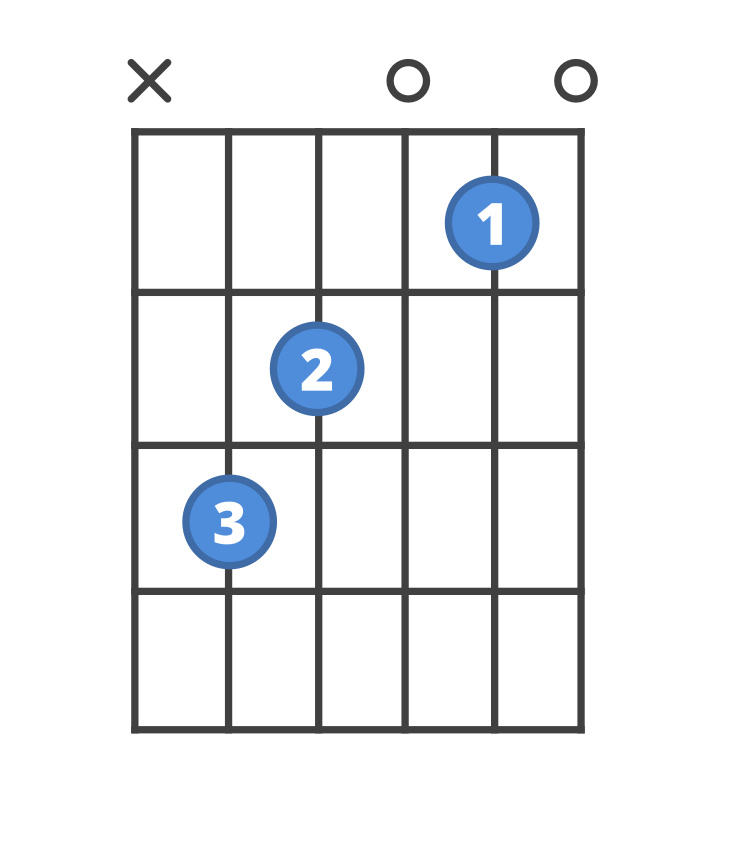
- Ring (3) → 5th string, 3rd fret
- Middle (2) → 4th string, 2nd fret
- Index (1) → 2nd string, 1st fret
- Mute the 6th string
- Sound: Clear, sweet, and melodic
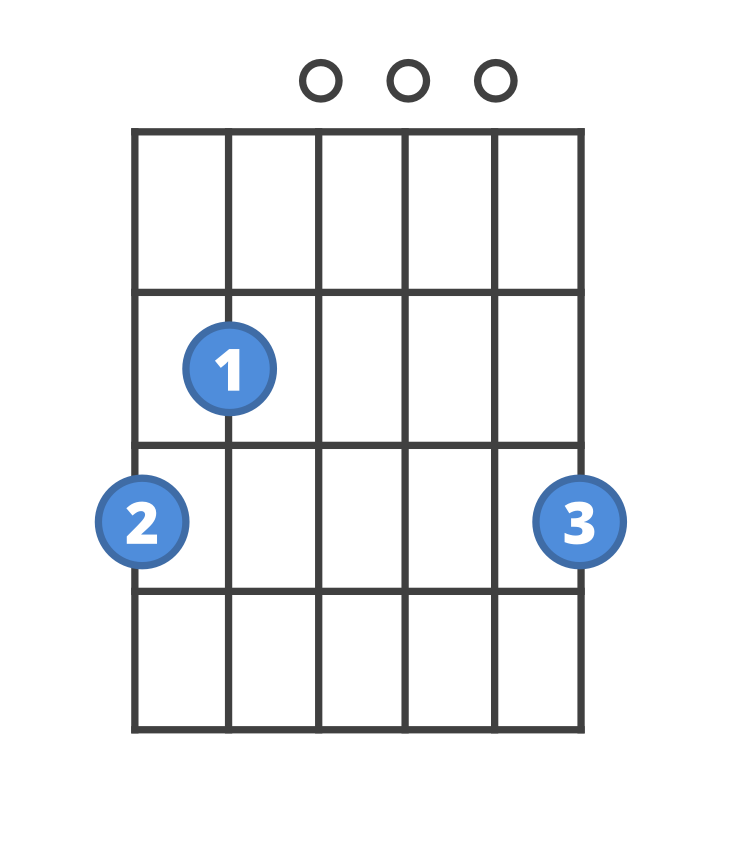
G Major (G)
- Middle (2) → 6th string, 3rd fret
- Index (1) → 5th string, 2nd fret
- Ring (3) → 1st string, 3rd fret
- Strum all 6 strings
- Sound: Full, open, and perfect for pop or rock songs.
D Major (D)
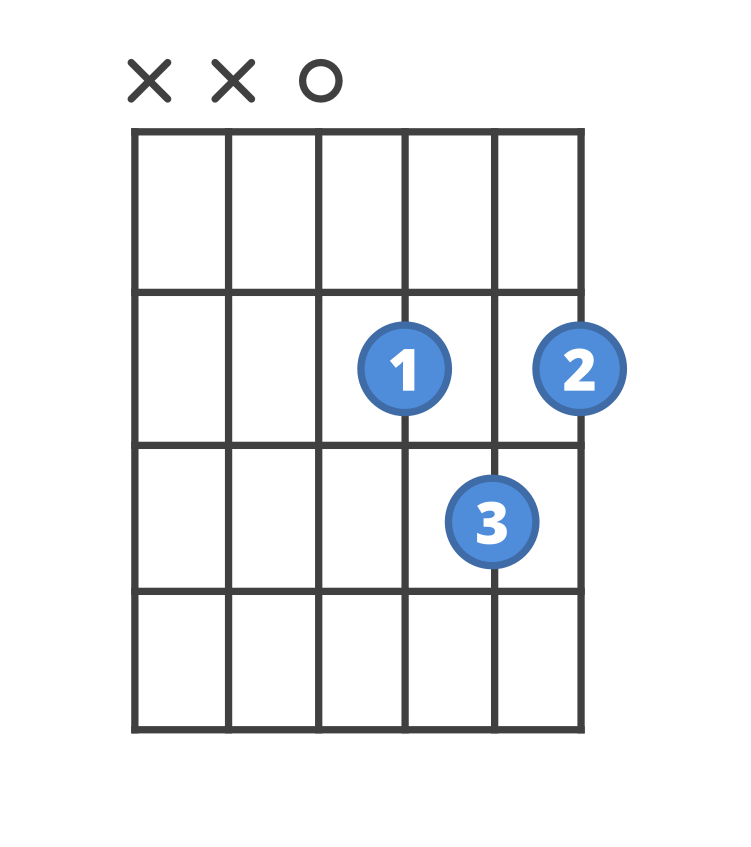
- Index (1) → 3rd string, 2nd fret
- Middle (2) → 1st string, 2nd fret
- Ring (3) → 2nd string, 3rd fret
- Play only the bottom 4 strings
- Sound: Crisp, bright, and happy.
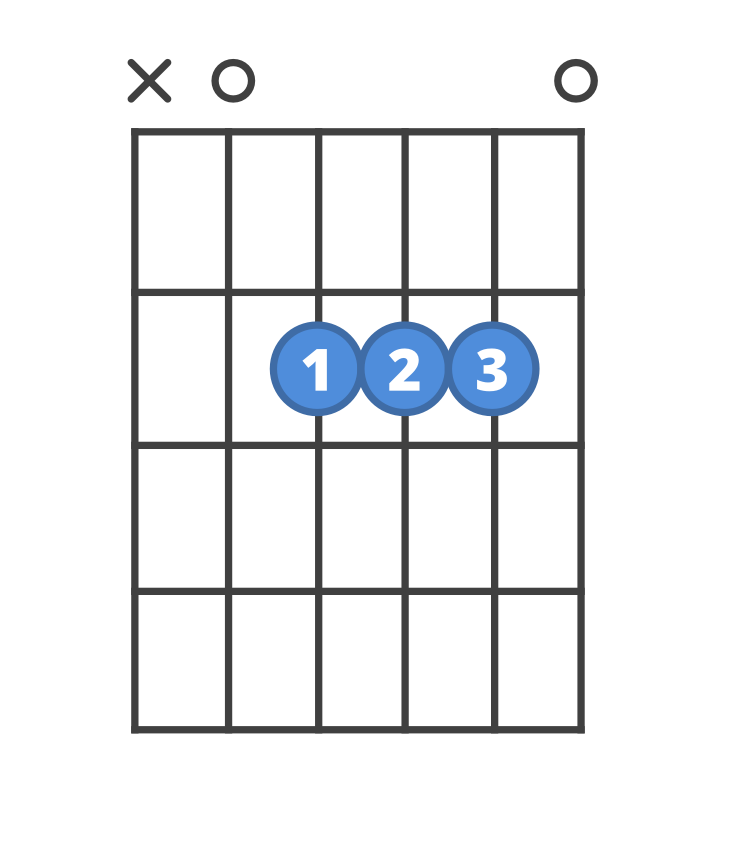
A Major (A)
- Index (1) → 4th string, 2nd fret
- Middle (2) → 3rd string, 2nd fret
- Ring (3) → 2nd string, 2nd fret
- Mute the 6th string
- Sound: Clear and rhythmic, great for strumming patterns.
F Major (Mini Barre Version)
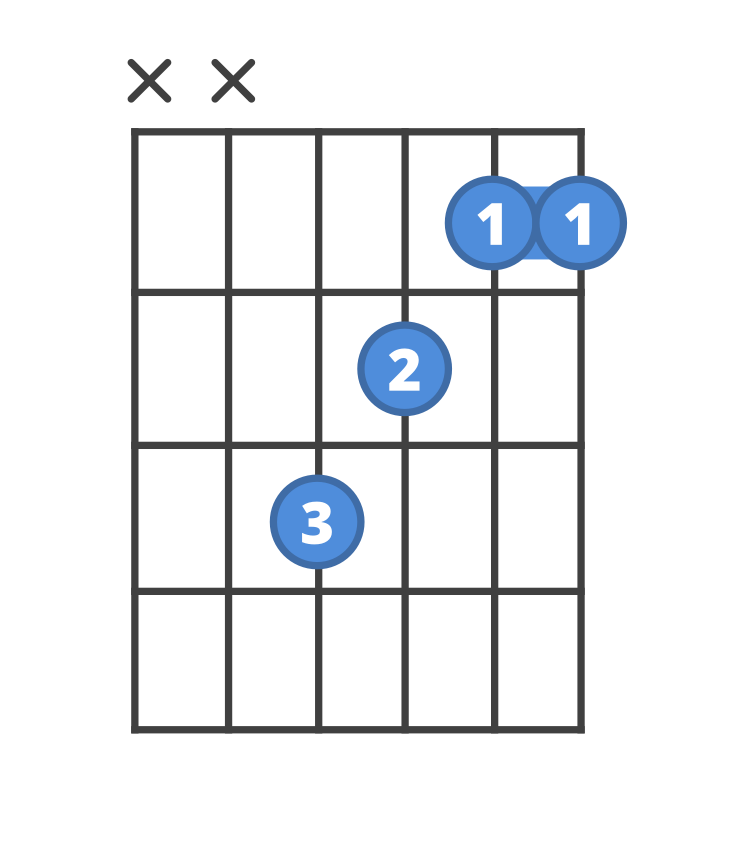
- Index (1) → 1st fret, covering 1st and 2nd strings (mini barre)
- Middle (2) → 3rd string, 2nd fret
- Ring (3) → 4th string, 3rd fret
- Play only top 4 strings
- Sound: Deep, rich, and professional tone.
Practice these chords for at least 15–20 minutes every day and focus on smooth transitions between chords like C → G → D → Am.
Within a few weeks, you’ll be able to play many songs with confidence!
keywords
easy guitar chords for beginners,basic guitar chords chart,open guitar chords,guitar chords step by step,learn guitar chords,how to play guitar chords,beginner guitar lessons,guitar chord finger placement,guitar chord guide for beginners,acoustic guitar chords tutorial